
Art has always been a powerful form of self-expression, allowing people to communicate emotions that words sometimes cannot capture. For individuals living with bipolar disorder art can be more than just a creative outlet — it can be a therapeutic tool, a coping mechanism, and a visual representation of their mental health journey. Known for its alternating episodes of emotional highs (mania or hypomania) and lows (depression), bipolar disorder often brings with it a unique and intense range of feelings, which can profoundly shape artistic expression.
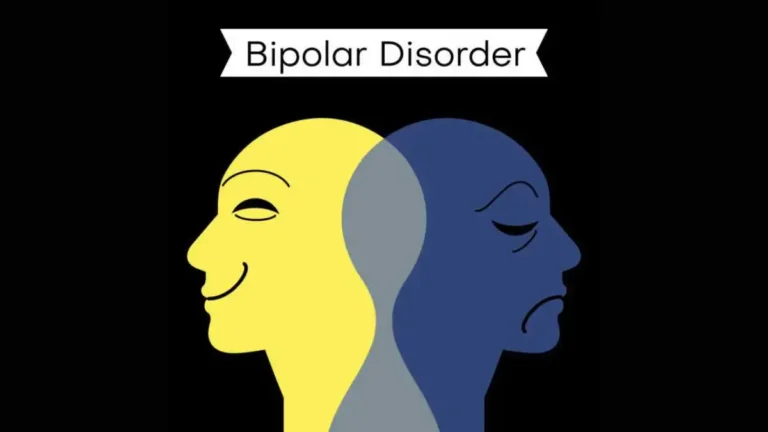
What Is Bipolar Disorder Art?
Bipolar disorder art refers to any creative work — paintings, drawings, digital art, photography, sculpture, or mixed media — created by someone living with bipolar disorder, often reflecting their emotional states, thought patterns, and life experiences. These artworks can capture:
- The energy and vivid colors associated with manic episodes.
- The muted tones and deep symbolism of depressive phases.
- The personal narrative of navigating mental health challenges.
How Bipolar Disorder Influences Creativity
Many people with bipolar disorder experience heightened creativity during certain mood states. While not everyone with the condition becomes an artist, some find that their emotional intensity fuels imaginative thinking and bold artistic choices. Common characteristics seen in bipolar disorder art include:
- Vivid, contrasting colors that symbolize emotional extremes.
- Abstract imagery representing mental chaos or inner peace.
- Symbolic storytelling to convey hope, despair, or resilience.
Art as Therapy for Bipolar Disorder
Creating art can serve as a form of art therapy, offering benefits such as:
- Emotional release – safely expressing feelings of anger, sadness, or joy.
- Mindfulness – focusing on the present moment through creative activity.
- Self-reflection – understanding and processing complex emotions.
- Communication – helping friends, family, and therapists understand one’s inner world.
Famous Artists with Bipolar Disorder
Several renowned artists are believed to have lived with bipolar disorder or similar mood disorders, including:
- Vincent van Gogh – known for his emotionally charged brushstrokes and intense use of color.
- Edvard Munch – whose work reflected deep psychological themes.
- Yayoi Kusama – incorporating mental health experiences into immersive art installations.
How to Start Your Own Bipolar Art Journey
If you live with bipolar disorder and want to explore art as an outlet:
- Choose your medium – painting, sketching, photography, or digital art.
- Create without judgment – focus on expression rather than perfection.
- Track your mood – notice how different emotional states influence your style.
- Share your work – connect with online art communities for support.